

How to Identify Durable Gold Plated Jewelry
Table of Contents
- What Makes Gold Plated Jewelry Durable
- Gold Plated vs Gold Filled Durability: Which Lasts Longer
- Understanding Gold Plating Thickness in Microns
- How to Test Gold Plated Jewelry at Home
- Why Does Cheap Jewelry Turn Your Skin Green
- Reading Hallmarks and Jewelry Stamps
- Signs of Plating Wear and When to Replace
- Conclusion
Last Updated: August 24, 2026
What Makes Gold Plated Jewelry Durable
Gold plating durability depends on three critical factors: the thickness of the gold layer, the quality of the base metal underneath, and how well you care for the piece. When you understand what separates jewelry that lasts from jewelry that fails within weeks, you can identify durable gold plated pieces before you buy.
The gold layer itself is measured in microns, thousandths of a millimeter. Thicker plating resists wear longer because it takes more time for daily friction and contact to wear through to the base metal. A well-made gold plated bracelet or chain from Carlotta uses a sufficient plating thickness to withstand regular wear without showing the underlying metal within months.
Base metal quality matters equally. Some manufacturers use cheap alloys that tarnish, corrode, or trigger skin reactions. Others use solid metals like brass or copper that age gracefully and support the plating effectively. The best gold plated jewelry combines a quality base metal with appropriate plating thickness, this combination determines how long the piece stays beautiful.
Gold Plated vs Gold Filled Durability: Which Lasts Longer
Gold plated and gold filled are fundamentally different products, and the distinction affects longevity significantly. Gold plated jewelry has a thin layer of gold bonded to a base metal using electroplating. Gold filled jewelry has a thicker layer of gold mechanically bonded to a base metal core, typically at least 5% of the total weight in gold.
Gold filled lasts substantially longer than gold plated because the gold layer is thicker and more durable. A gold filled bracelet or chain can last 10-30 years with normal wear. Gold plated jewelry typically lasts 1-3 years before the plating begins to wear through, depending on wear patterns and plating thickness.
The trade-off is price. Gold filled costs more because it contains more actual gold. Gold plated offers the look of gold at a fraction of the cost, making it ideal for trend-conscious buyers or those building a varied collection without the premium price tag. If you want an everyday piece that resists tarnish and skin reactions, gold plated from a quality maker like Carlotta delivers excellent value.
Gold vermeil is a third option, gold plated over sterling silver. It typically lasts longer than regular gold plating because sterling silver is a precious metal that resists corrosion better than cheaper base metals. Vermeil pieces often last 2-5 years with regular wear.
The key difference comes down to this: gold plated is a fashion-forward choice for affordable elegance. Gold filled is an investment piece. Choose based on your budget and how long you expect to wear the item.
Understanding Gold Plating Thickness in Microns
Plating thickness is measured in microns, and this measurement directly predicts how long your jewelry will last. One micron equals one thousandth of a millimeter, barely visible to the naked eye, yet it makes the difference between jewelry that lasts months and jewelry that lasts years.
Industry standards vary, but quality manufacturers typically apply 1-3 microns of gold plating for fashion jewelry. Some premium pieces use 5-10 microns. The thicker the plating, the longer it resists wear before the base metal shows through.
A common misconception is that all gold plating is the same. It's not. A chain plated with 0.5 microns will show wear within weeks. The same chain with 2 microns will last through regular daily wear for 12-18 months. Carlotta's pieces use plating thickness that supports extended wear without premature degradation.
Why does thickness matter so much? Every time you wear the jewelry, the plating experiences microscopic friction. Skin oils, soap, sweat, and contact with clothing gradually wear away the gold layer. Thicker plating provides a buffer, more gold to wear away before you see the base metal underneath.
When evaluating gold plated jewelry, ask the seller for the micron thickness. Reputable sellers provide this information. If they don't, assume the plating is thin and the piece won't last long. Carlotta lists plating specifications because transparency builds trust and ensures you know what you're buying.
How to Test Gold Plated Jewelry at Home
Testing gold plated jewelry at home helps you verify quality before purchase or identify wear patterns after you own a piece. Several methods work, though each has limitations. The most reliable approach combines multiple tests.
The Magnet Test
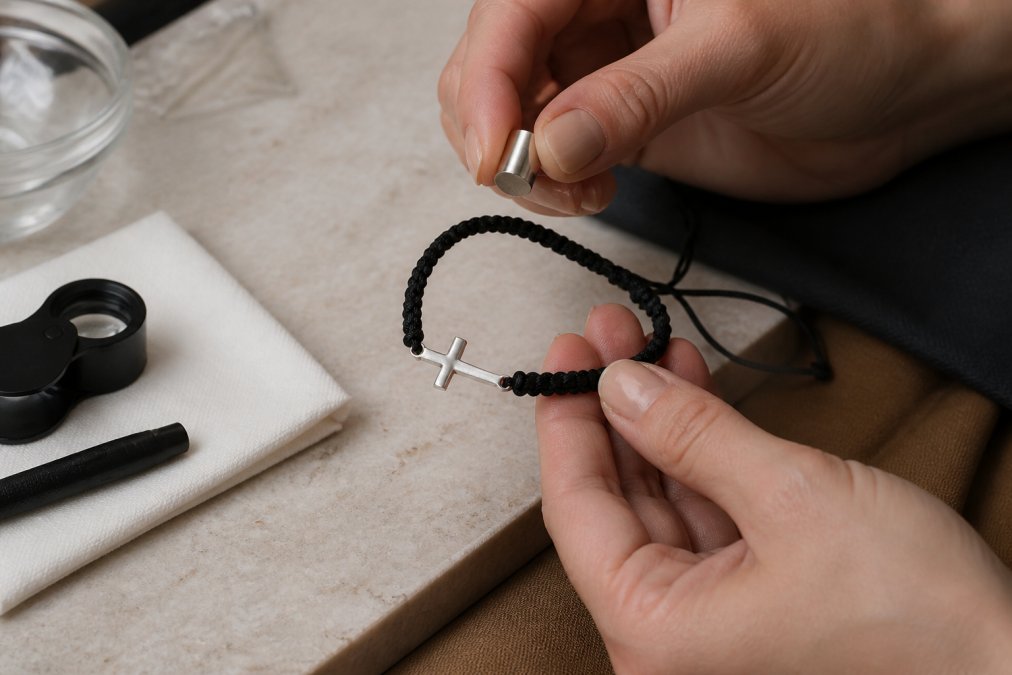
The magnet test is quick and free. Real gold is not magnetic (usgs.gov). If a piece sticks strongly to a magnet, it contains significant iron or other ferrous metals, suggesting either the base metal is showing through or the piece is not gold plated at all.
Take a strong magnet, a neodymium magnet works best, and hold it near the jewelry. If the piece pulls toward the magnet, the base metal is likely exposed or the plating is extremely thin. If the piece shows no attraction, the plating is likely intact.
This test has a major limitation: some base metals used under gold plating are not magnetic. Brass and copper won't attract a magnet even if the plating has worn away. The magnet test is a quick screening tool, not a definitive proof of plating integrity.
The Acid Test
The acid test is more reliable but requires care and should only be performed by experienced individuals or professionals. A small drop of nitric acid applied to an inconspicuous area will change color based on the metal composition. Gold does not react to nitric acid. Base metals do.
This test reveals whether gold is present and, in some cases, the purity. However, it requires proper safety equipment, knowledge of acid handling, and access to the right testing solutions. For most buyers, professional appraisal is safer than attempting this at home.
The Scratch Test
The scratch test reveals what's underneath the plating. Using a small, inconspicuous area on the back or clasp of the jewelry, gently scratch the surface with a small tool or even a fingernail. If you see a different color metal underneath, typically a reddish copper or silver-toned brass, the plating has worn through or was never applied to that area.
This test is non-destructive if done carefully on a hidden area. It shows the base metal directly, giving you immediate visual confirmation of plating presence. On a new piece, you should not see base metal showing. On worn jewelry, visible base metal indicates plating degradation.
Why Does Cheap Jewelry Turn Your Skin Green
Green discoloration on skin after wearing jewelry is a common complaint, and it's not always a sign of low quality. Understanding what causes it helps you choose jewelry that won't trigger this reaction.
The green color comes from oxidation of the base metal, typically copper or brass. When these metals oxidize, they release compounds that stain skin. This reaction accelerates when the base metal is exposed, either because the plating has worn away or was never applied completely.
Sweat, moisture, and body chemistry accelerate oxidation. People with acidic skin or who sweat heavily experience green discoloration more frequently. The reaction is not dangerous, but it's aesthetically unpleasant and can stain clothing.
Quality gold plated jewelry resists this problem because the gold plating creates a barrier between your skin and the base metal. As long as the plating remains intact, oxidation cannot occur. When the plating wears away, the base metal oxidizes and the green discoloration returns.
Some manufacturers use nickel in the base metal alloy to reduce costs. Nickel oxidizes more readily than copper or brass and is also a common allergen. Nickel-sensitive individuals experience skin reactions, rashes, itching, or discoloration, within hours of wearing nickel-containing jewelry.
Carlotta uses base metals and plating thickness designed to prevent this problem. The combination of quality materials and appropriate plating thickness means the gold barrier remains intact through regular wear, keeping your skin clear and jewelry looking beautiful.
The best defense is choosing jewelry from makers who prioritize base metal quality and plating thickness. Avoid extremely cheap pieces where cost-cutting on materials is obvious. Mid-range jewelry from reputable sellers like Carlotta offers the balance between affordability and durability.
Reading Hallmarks and Jewelry Stamps
Hallmarks and stamps on jewelry tell you important information about composition and plating. Learning to read them helps you identify durable pieces and understand what you're buying.
Gold plated jewelry typically carries a stamp indicating plating type. "GP" or "GEP" means gold plated or gold electroplated. "GF" indicates gold filled. "14K" or "18K" refers to karat weight of the gold layer or, in some cases, the base metal. These stamps are usually small and located on clasps, tags, or the back of pendants.
The base metal is often stamped separately. "Brass," "Copper," or alloy designations indicate the material underneath the plating. Sterling silver base is marked "925" or "Sterling." These stamps tell you whether the base metal is a precious metal (which resists corrosion better) or a common alloy.
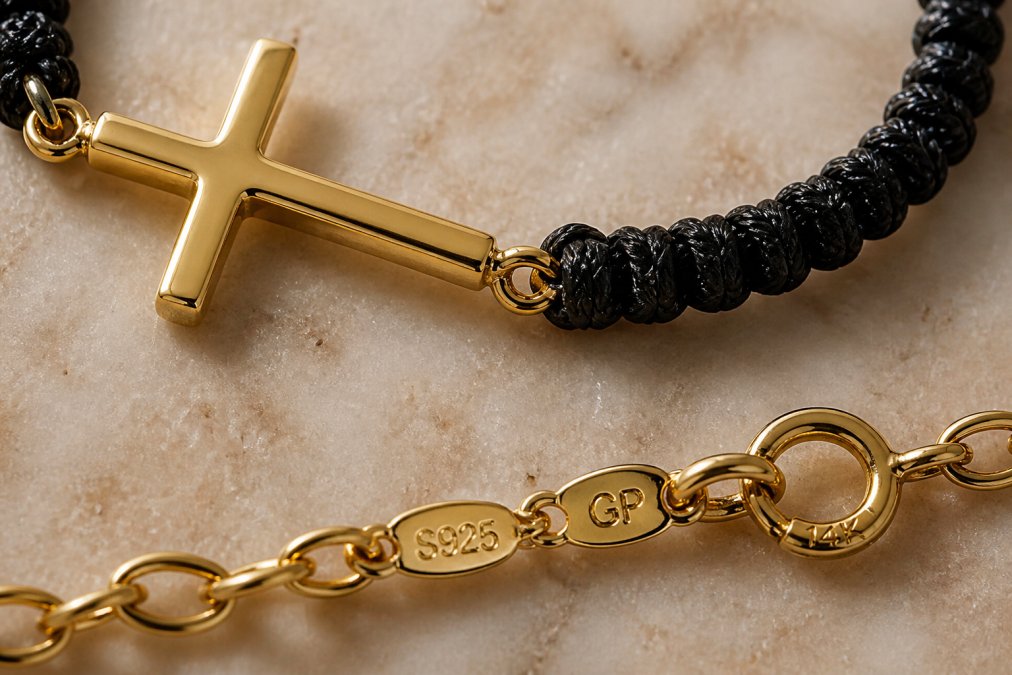
Some manufacturers include micron thickness on stamps, though this is less common. If you see "2 micron" or similar notation, that's valuable information about expected durability.
Reputable sellers provide documentation about stamps and their meaning. If a seller cannot explain the stamps on their jewelry, that's a warning sign. Carlotta includes detailed information about every piece's composition and plating specifications because transparency matters.
Beware of misleading stamps. Some cheap manufacturers stamp "14K Gold Plated" when they mean the plating is 14K gold (which is good) but the base metal is unknown or poor quality (which is bad). The stamp alone doesn't tell the whole story, you need information about both the plating and the base metal.
Signs of Plating Wear and When to Replace
Even durable gold plated jewelry eventually shows wear. Knowing what to look for helps you decide whether to continue wearing a piece or replace it.
The first sign of wear is usually color fading. The gold appears duller or lighter than when new. This indicates the plating is thinning. You might also notice uneven wear, areas that see more friction (like the sides of a ring or the clasp of a bracelet) fade faster than protected areas.
Visible base metal showing through is a clear sign the plating has worn away. If you see copper, brass, or silver-colored metal underneath, the protective barrier is gone. At this point, the jewelry will continue degrading quickly because the base metal oxidizes and corrodes more readily than gold.
Surface scratches and scuffs are normal wear. Minor scratches don't mean the jewelry is failing. Deep scratches that reveal base metal underneath indicate more significant wear.
Discoloration or darkening can indicate oxidation of the base metal. If the jewelry develops dark spots or tarnish, the plating may be compromised in those areas.
When to replace: If the piece has sentimental value or you love the design, professional replating is an option. Jewelers can strip the old plating and apply new gold. This extends the life of the piece indefinitely. If the jewelry is costume or fashion jewelry, replacement is often more economical than replating.
For everyday wear pieces like chains or bracelets from Carlotta, the high-quality plating and base metal mean you'll get extended use before replacement becomes necessary. Regular care, removing jewelry before swimming, showering, or exercising, and storing it in a dry place, extends plating life significantly.
Conclusion
Identifying durable gold plated jewelry comes down to three questions: What's the plating thickness? What's the base metal? Who made it and do they stand behind their work?
Thick plating (2+ microns) over quality base metals like brass or copper resists wear and oxidation far better than thin plating over cheap alloys. Testing at home using magnets, scratches, or professional appraisal reveals the actual quality. Reading hallmarks and stamps tells you what the maker used.
Carlotta's cross bracelets and chains are designed for everyday wear. The S925 CROSS BRACELET uses quality base metals and appropriate plating thickness to resist tarnish and skin reactions through regular wear. At just $37.00, you get durable, elegant jewelry that won't turn your skin green or degrade within weeks.

When you buy gold plated jewelry, invest in pieces from makers who prioritize durability. Your skin, and your wallet, will thank you.
Frequently Asked Questions
Q: How can you tell if gold plated jewelry is durable?
A: Durable gold plated jewelry has a sufficient micron thickness, displays clear hallmarks indicating the base metal and plating quality, and shows no signs of demarcation lines or exposed base metal at edges. Check for consistent color throughout, perform a scratch test in an inconspicuous area, and look for solid construction with secure clasps. Higher karat weight (14K or 18K) plating over quality base metals like stainless steel typically indicates longer-lasting pieces.
Q: What's the difference between gold plated and gold filled in terms of durability?
A: Gold filled jewelry contains a thicker layer of gold bonded mechanically to a base metal, typically lasting 5-30 years with proper care. Gold plated jewelry has a thinner electroplating layer (usually 0.5-2.5 microns) and typically lasts 1-3 years before showing visible wear. Gold filled pieces can withstand daily wear better, while gold plated pieces require more careful handling and regular maintenance to preserve their appearance.
Q: Why does cheap jewelry turn your skin green?
A: Cheap jewelry turns skin green due to oxidation of the base metal, usually copper or nickel, reacting with moisture and sweat on your skin. When the gold plating wears away or was applied too thinly, the reactive base metals underneath contact your skin directly. This chemical reaction creates a green or black residue. Higher quality gold plating with adequate micron thickness and non-reactive base metals like stainless steel prevents this issue.
Q: How thick should gold plating be to last?
A: Gold plating should be at least 2.5 microns thick for everyday wear to maintain durability. Industry standards recommend 1.0 micron as a minimum for light wear, but pieces worn daily benefit from 2.5-5 microns. Premium jewelry often features 10+ microns for extended longevity. Check the product specifications or ask the jeweler about micron thickness before purchasing to ensure your gold plated pieces will withstand regular use without premature wear.
Gold plated jewelry doesn't have to be a compromise between affordability and quality. By understanding plating thickness, base metal composition, and wear patterns, you can confidently choose pieces that last. Carlotta makes jewelry that delivers both elegance and durability, with up to 30% off during seasonal promotions. Shop our collection of cross-themed bracelets and chains designed to be worn daily without worry.
This article was written using GrandRanker