

Best Everyday Jewelry for Sensitive Skin
Table of Contents
- Why Everyday Jewelry for Sensitive Skin Matters
- Hypoallergenic Metals for Sensitive Skin
- How to Tell If Jewelry Is High Quality
- Understanding Metal Purity and Coatings
- Recognizing Signs of an Allergic Reaction
- How to Clean Jewelry for Sensitive Skin
- Choosing Durable Pieces You Can Wear Daily
- Conclusion
Last Updated: August 27, 2026
Why Everyday Jewelry for Sensitive Skin Matters
Wearing jewelry shouldn't mean choosing between style and comfort. Yet millions experience redness, itching, and swelling from necklaces or bracelets. The culprit is often the metal itself and how it interacts with your skin's chemistry.
Best everyday jewelry for sensitive skin requires understanding which metals won't trigger contact dermatitis and which coatings protect your skin. Repeated exposure to problematic metals can worsen your skin barrier, making future reactions more severe. The good news: you don't have to sacrifice style. High-quality metals exist at every price point, from affordable stainless steel to investment-grade gold and platinum. Below, we'll show you exactly how to identify best everyday jewelry for sensitive skin, recognize quality materials, and care for pieces so they last without causing reactions.
Hypoallergenic Metals for Sensitive Skin
The term "hypoallergenic" means a metal is less likely to trigger reactions because it doesn't leach ions into your skin or corrode easily. Understanding the difference between genuinely safe metals and those that simply market themselves as hypoallergenic is crucial.
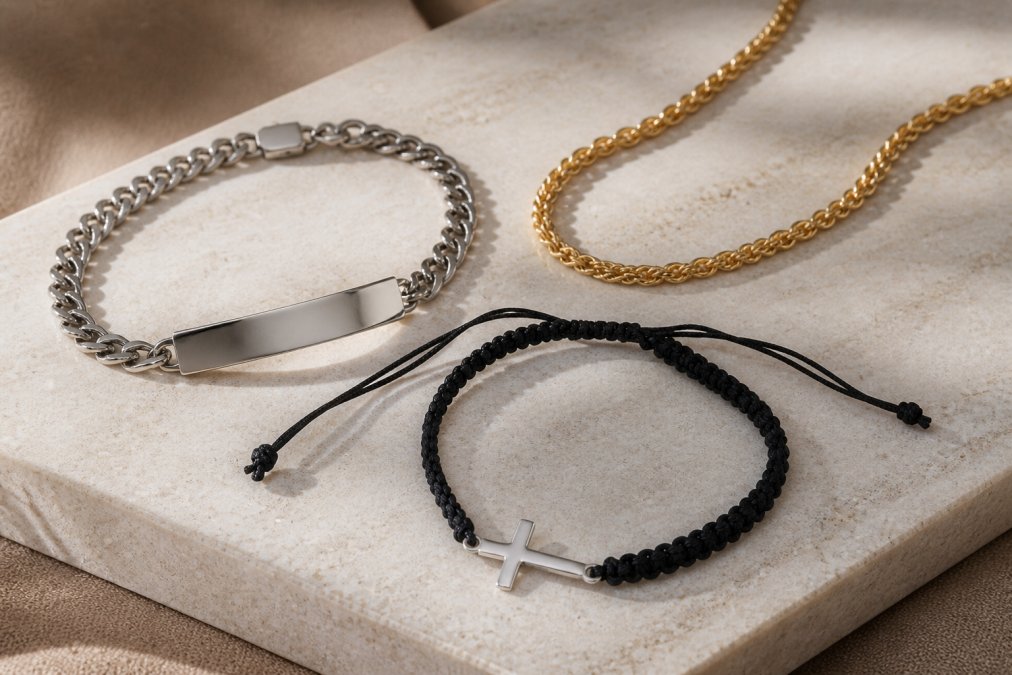
Implant-Grade Titanium and Surgical Stainless Steel
Implant-grade titanium ranks among the safest metals for sensitive skin. It's biocompatible and doesn't corrode or leach harmful substances. Medical professionals use titanium for surgical implants precisely because your body tolerates it exceptionally well. For everyday jewelry, titanium offers durability without skin reaction risk. It resists tarnishing, won't turn your skin green, and maintains its appearance through years of daily wear.
Surgical stainless steel, specifically 316L grade, is another reliable choice. The "L" designation means "low carbon," reducing corrosion and nickel leaching risk. While stainless steel contains some nickel as part of its alloy, the protective oxide layer that forms on the surface acts as a barrier. For most people with sensitive skin, the amount is negligible. If you have severe nickel sensitivity, titanium remains the safer option.
Both metals offer excellent value, affordable compared to precious metals, resistant to daily wear, and genuinely hypoallergenic for most people. Carlotta's S925 Cross Bracelet uses surgical stainless steel, providing a durable option for sensitive skin without premium pricing.

Solid Gold, Platinum, and Sterling Silver
Solid gold, specifically 14k or higher, is naturally hypoallergenic because pure gold doesn't corrode or trigger allergic reactions. Fourteen karat gold contains 58.3% pure gold, striking a balance between durability and hypoallergenic properties (the FTC). Eighteen karat (75% pure) offers even better safety for sensitive skin, though it's softer and more prone to scratching.
Platinum is the gold standard for sensitive skin. It's hypoallergenic, incredibly durable, and maintains its appearance indefinitely. The drawback is cost, platinum jewelry typically runs three to five times the price of gold. For everyday wear, platinum makes sense only if budget allows and you want a piece lasting decades without maintenance.
Sterling silver (92.5% pure silver) is hypoallergenic for most people, though some react to the copper content in the alloy. If you've had success with silver before, it remains a solid choice. Sterling silver does tarnish over time, requiring regular cleaning to maintain appearance.
Metals to Avoid
Nickel is the primary culprit behind jewelry-related contact dermatitis (peer-reviewed research). It's inexpensive, which is why manufacturers use it in costume jewelry and lower-grade alloys. Nickel leaches from the metal surface, especially when exposed to sweat or moisture. Even "nickel-free" jewelry sometimes contains trace amounts. If you have severe nickel sensitivity, avoid costume jewelry and budget chains entirely.
Brass and copper oxidize readily, creating a patina that can stain your skin green and trigger reactions. Copper especially leaches into sweat, causing visible discoloration and skin irritation. Avoid any jewelry labeled as "brass-plated" or "copper-core."
Lead and cadmium occasionally appear in vintage or imported jewelry. These heavy metals are toxic and should be avoided. Always purchase from established retailers who verify their materials.
How to Tell If Jewelry Is High Quality
Quality jewelry for sensitive skin isn't just about the metal, it's about construction, finish, and durability. High-quality pieces feel substantial, have smooth edges, and show no signs of flaking or discoloration after normal use.
Examine the clasp first. A quality clasp is smooth, secure, and doesn't pinch or irritate. Run your finger across it, it should feel polished, not scratchy. Attachment points should be reinforced, not thin or flimsy.
Look at the surface finish. High-quality metals have a consistent, even finish with no pitting or rough spots. If you see irregularities or areas where the base metal shows through, the piece is low-quality or damaged. For plated jewelry, the plating should be thick enough to withstand daily wear.
Weight matters. Quality metals feel appropriately heavy for their size. Lightweight jewelry often indicates thin plating over cheap base metals. A quality chain feels solid and substantial, not flimsy or hollow.
Understanding Metal Purity and Coatings
Metal purity directly impacts durability and whether a piece will irritate sensitive skin. Pure metals are ideal but often too soft for everyday jewelry. Alloys provide the durability needed for daily wear.
Karat Markings and Gold-Filled vs. Gold-Plated
Karat markings indicate the percentage of pure gold in an alloy. Fourteen karat (14k) contains 58.3% pure gold, the standard for everyday jewelry because it balances purity with durability. Eighteen karat (18k) contains 75% pure gold and is softer but more hypoallergenic. Ten karat (10k) is harder but contains only 41.7% pure gold, making it less ideal for sensitive skin.
Gold-filled jewelry differs fundamentally from gold-plated. Gold-filled means a thick layer of gold (at least 1/20th of the total weight) is bonded to a base metal through heat and pressure (the FTC). This creates a durable piece that resists tarnishing and maintains appearance through years of wear. For sensitive skin, gold-filled is an excellent middle ground, the thick gold layer prevents base metal exposure.
Gold-plated jewelry has a thin electrochemical coating of gold over a base metal. The coating wears away within one to three years of daily wear. Once the base metal shows through, skin reactions often follow. Gold-plated pieces are unsuitable for everyday wear if you have sensitive skin.
PVD Coatings and Nickel-Free Finishes
PVD (Physical Vapor Deposition) coating bonds a protective layer to the base metal through an advanced electrochemical process. Unlike traditional plating, PVD creates a more durable, scratch-resistant finish lasting significantly longer. PVD-coated stainless steel or titanium resists tarnishing and maintains appearance through years of daily wear.
Nickel-free finishes are marketed aggressively, but the term is misleading. Regulatory standards define "nickel-free" as containing less than 0.05% nickel, not zero. For most people, this threshold is safe. However, if you have severe nickel sensitivity, verify that jewelry uses genuinely hypoallergenic metals rather than relying on a nickel-free label alone.
Some manufacturers apply clear protective coatings over base metals to prevent nickel leaching. These coatings work temporarily but degrade with daily wear, moisture, and sweat. Always prioritize the base metal over coating promises.
Recognizing Signs of an Allergic Reaction
Contact dermatitis from jewelry develops when metal ions contact your skin, triggering an immune response. Symptoms typically appear within hours to days of wearing the problematic piece.
Redness is often the first sign. The area directly under the jewelry becomes noticeably inflamed. Itching usually follows, ranging from mild to intense. Some people experience swelling, where the affected area becomes puffy. In severe cases, blistering can occur, indicating a strong allergic response.
Discoloration is another indicator. Your skin might turn green, gray, or dark where the jewelry contacts it, typically meaning the metal is oxidizing and transferring to your skin. This discoloration often persists for days after removing the jewelry.
If you experience these symptoms, remove the jewelry immediately and let your skin recover. Wash the affected area with mild soap and water. If symptoms persist beyond a few days, consult a dermatologist. They can perform a patch test to identify which specific metals trigger your reactions.
How to Clean Jewelry for Sensitive Skin
Proper cleaning extends the life of your jewelry and prevents buildup that can irritate sensitive skin. Dirt, sweat, and product residue accumulate on jewelry surfaces, creating an environment where bacteria thrive and metal ions leach more readily.
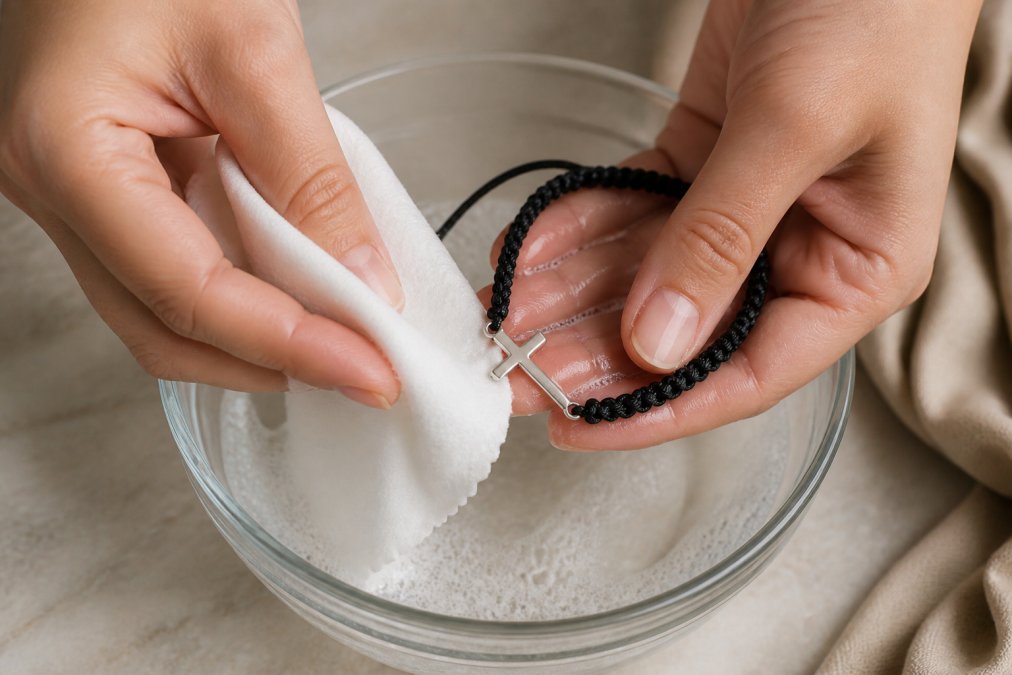
For everyday cleaning, use warm water and mild dish soap. Soak your jewelry for a few minutes, then use a soft cloth to wipe away debris. Rinse thoroughly with clean water and dry completely. This method works safely for all metals and prevents scratching.
For deeper cleaning, use a jewelry cleaner designed for sensitive skin, verifying it's appropriate for your specific metal. Alternatively, mix equal parts white vinegar and water for a natural cleaning solution. Soak jewelry briefly, then clean gently and rinse thoroughly.
Avoid ultrasonic cleaners and steamers if you have sensitive skin concerns. These methods can force water and cleaning solutions into crevices, potentially trapping moisture against your skin. Store your jewelry in a dry place away from humidity. Use individual pouches to prevent pieces from scratching each other and keep different metals separated.
Choosing Durable Pieces You Can Wear Daily
Durability matters for sensitive skin because pieces that wear out quickly force frequent replacement, increasing exposure to potentially problematic materials. Durable everyday jewelry is an investment that maintains integrity through years of daily wear.
Weight and construction indicate durability. A chain should feel solid, not hollow. Clasps should be substantial and secure. Connections should be reinforced. Quality jewelry feels substantial and well-made from the moment you touch it.
Thickness matters more than most realize. Thin chains break easily. Thin plating wears through quickly. A quality chain should be at least 1.5mm thick for everyday wear. Bands should be at least 2-3mm thick.
Closure mechanisms determine longevity. Lobster clasps and box clasps are more secure than spring rings. Secure clasps mean your jewelry stays on your body instead of falling off.
Consider your lifestyle when choosing pieces. If you exercise regularly, swim, or shower while wearing jewelry, you need materials that genuinely resist moisture and corrosion. Titanium and 14k+ gold excel here. Stainless steel works well if it's 316L grade with a protective coating.
Carlotta's S925 Cross Bracelet exemplifies durable everyday jewelry. Crafted from surgical stainless steel, it resists tarnishing and maintains appearance through daily wear. The solid construction won't break easily, and the hypoallergenic material ensures it works for sensitive skin. At $37.00, it delivers the quality and durability needed for pieces you'll wear year-round.
Conclusion
Finding best everyday jewelry for sensitive skin means prioritizing materials over trends. Implant-grade titanium, surgical stainless steel (316L), and solid gold (14k and above) genuinely protect your skin while delivering durability for daily wear. Avoid nickel, brass, and copper entirely, they're the primary causes of jewelry-related contact dermatitis.
Carlotta specializes in jewelry designed for everyday wear, including our S925 Cross Bracelet made from hypoallergenic surgical stainless steel. Our pieces are built to last through years of daily wear without causing reactions. With up to 30% off on seasonal offers, you can invest in quality jewelry that works for your sensitive skin without overspending. Shop Carlotta's collection and discover pieces you can wear confidently, every single day.
Frequently Asked Questions
What jewelry material is best for sensitive skin?
Implant-grade titanium, 316L surgical stainless steel, solid gold (14k or higher), platinum, and sterling silver are the safest choices. These metals are biocompatible and resist corrosion, minimizing nickel leaching. Avoid nickel, brass, and copper-based alloys. For everyday wear, titanium and surgical stainless steel offer durability without irritation, while solid gold and platinum provide premium options for those with severe contact dermatitis.
How can I tell if jewelry is high quality and nickel-free?
Look for hallmark stamps: 14k, 18k, 925 (sterling silver), or Ti (titanium). Reputable sellers provide material certifications. Avoid unlabeled pieces or those with vague descriptions like 'gold-tone.' Quality jewelry from trusted retailers includes product documentation specifying metal composition and whether it's nickel-free or hypoallergenic.
Does gold-plated jewelry cause allergic reactions?
Gold-plated jewelry can trigger reactions if the base metal contains nickel or if the plating wears away, exposing the underlying alloy. The plating itself is safe, but quality matters. Thicker plating (2-3 microns) lasts longer before base metal exposure. For sensitive skin, choose gold-filled or solid gold instead. If you prefer plated pieces, select those with nickel-free base metals and PVD coatings for better durability and protection.
How do I clean my everyday jewelry to prevent skin reactions?
Use mild soap, warm water, and a soft cloth weekly. Avoid harsh chemicals, bleach, and ultrasonic cleaners that can damage coatings and expose base metals. For tarnish-resistant pieces, a specialized jewelry cleaner designed for sensitive skin works well. Always dry thoroughly before wearing. Store pieces in a dry environment to prevent corrosion. Regular maintenance prevents nickel leaching and keeps your jewelry safe for continuous wear.
This article was written using GrandRanker