

Are Gold Plated Chains Worth the Money? A 2026 Guide
Table of Contents
- What Gold Plating Actually Means for Your Chain
- How Long Does Gold Plating Last on a Chain?
- Gold Plated vs Gold Filled Durability: What's the Difference?
- How to Prevent Gold Plated Jewelry from Turning Skin Green
- Are Gold Plated Chains Worth the Money? The Cost-Benefit Breakdown
- How to Spot Quality and Make Your Chain Last
- The Verdict: Where Gold Plated Chains Make Sense
- Frequently Asked Questions
Last Updated: September 9, 2026
What Gold Plating Actually Means for Your Chain
Gold plated chains are a budget-friendly entry point into the look of solid gold, but the value proposition depends entirely on how the plating is applied and how you wear the piece. The process involves bonding a thin layer of gold onto a base metal, typically brass or copper, through an electrical charge known as electroplating. This is fashion jewelry at its core, designed for aesthetic appeal rather than long-term investment.

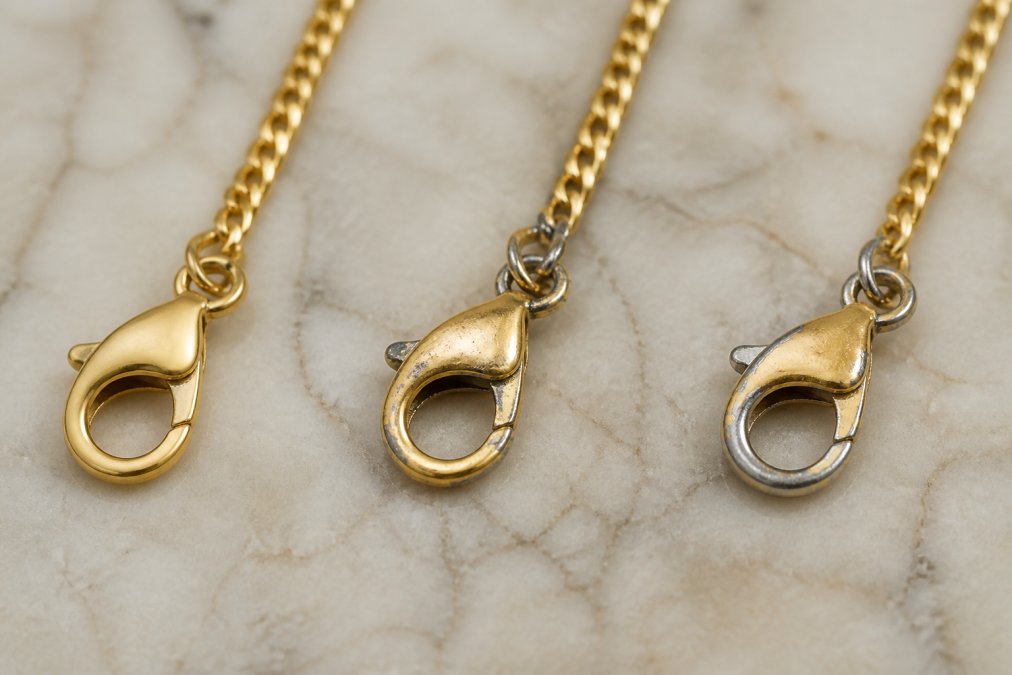
The quality of that gold layer is measured in microns, and this is where the industry separates honest products from disappointments. A standard plated chain might carry a coating of 0.5 to 1 micron, while a higher-quality piece reaches 2 to 3 microns. That difference directly controls how many months of daily wear you get before the base metal starts showing through. We build our chains to sit at the higher end of that spectrum because we know the difference between a chain that lasts a season and one that lasts years.
Most guides get this wrong by treating all plating as identical. It isn't. The base metal matters just as much as the gold layer. A quality brass base with a proper barrier layer resists tarnish far longer than a cheap alloy that reacts with moisture and skin oils.
How Long Does Gold Plating Last on a Chain?
A well-made gold plated chain typically retains its appearance for one to three years with regular wear, but that range is so wide it's almost useless without understanding the variables at play. The honest answer is that lifespan is determined by a predictable interaction between three factors: the micron thickness of the coating, the quality of the base metal, and your individual body chemistry.
The Micron Math
Plating thickness is measured in microns (µm), and this number is the single best predictor of longevity. A chain plated at 0.5 microns, common in fast-fashion pieces, will show wear at contact points within 6 to 8 weeks of daily use. At 1 micron, you're looking at roughly 4 to 6 months before the brass or copper base begins to peek through. Jump to 2 to 3 microns, and you can reasonably expect 12 to 24 months of regular wear. The difference between a $20 chain and a $70 chain is often exactly this: not the design, but the microns of gold sitting on the surface.
The Chemistry of Your Skin
Here's what most guides miss: your individual sweat chemistry is a primary determinant of plating life. Human sweat has a pH that typically ranges from 4.5 to 7.0, but that varies significantly from person to person (peer-reviewed research). More acidic sweat (lower pH) accelerates the oxidation of copper and brass base metals, which in turn undermines the gold layer from beneath. People with naturally more acidic sweat will see plating fail 2 to 3 times faster than those with neutral or alkaline sweat, regardless of the chain's quality.
This explains why two people can buy the identical chain and have wildly different experiences. It also means that if you've historically had plated jewelry tarnish quickly, the problem may not be the jewelry, it's your body chemistry reacting with the base metal. The practical workaround is to focus on chains with a proper barrier layer (rhodium or palladium underplate) between the base metal and the gold, which blocks the electrochemical reaction that causes premature failure.

Where Wear Actually Happens
Plating fails mechanically before it fails chemically. The highest-friction zones on any chain are:
- The clasp, constantly rubbing against your fingers and clothing
- The first 2 inches from the clasp, where the chain drapes and moves against your collarbone
- Link interiors, where adjacent links grind against each other with every movement
A chain worn 8 hours a day at a desk job will outlast the same chain worn during workouts by a factor of three. Sleeping in a plated chain is particularly destructive because the micro-movements against sheets create continuous abrasion that no plating can withstand indefinitely.
The Realistic Timeline
| Wear Pattern | 0.5-1 micron plating | 2-3 micron plating |
|---|---|---|
| Daily wear (8+ hrs) | 3-6 months | 12-18 months |
| Occasional wear (evenings/weekends) | 6-12 months | 2-3 years |
| Special occasions only | 1-2 years | 3-5 years |
These timelines assume you remove the chain before showering, swimming, or exercising. Ignore those rules, and cut every estimate in half.
Gold Plated vs Gold Filled Durability: What's the Difference?
Gold plated chains consist of a thin layer of gold bonded to a base metal, while gold filled jewelry uses a much thicker layer of gold that is mechanically bonded under heat and pressure. This distinction is the single biggest factor in durability between the two.
The practical difference comes down to thickness. Gold filled pieces typically carry a layer that is 50 to 100 times thicker than standard plating, which is why gold filled jewelry can last for decades with proper care. Gold plated chains offer a fraction of that longevity but cost a fraction of the price.
| Comparison | Gold Plated | Gold Filled | Solid Gold |
|---|---|---|---|
| Gold layer thickness | 0.5-3 microns | 10-50 microns | 100% gold alloy |
| Typical lifespan | 1-3 years | 5-20+ years | Lifetime |
| Price point | Budget-friendly | Mid-range | High investment |
| Resale value | Minimal | Some melt value | Strong |
| Best for | Trend pieces | Daily wear | Investment pieces |
Gold filled is the smarter choice if you want a chain you rarely take off. Gold plated makes more sense when you want variety without the price tag. Neither holds meaningful resale value, since the melt value of the gold content is negligible, so treat both as cost-per-wear purchases rather than investments.
How to Prevent Gold Plated Jewelry from Turning Skin Green
The green discoloration that appears on skin under plated jewelry comes from the base metal reacting with sweat and skin acidity, not from the gold itself. Copper and brass, the most common base metals, oxidize when exposed to moisture and acids, leaving a harmless but unsightly green residue on your skin.
Prevention starts with a barrier. Applying a thin layer of clear nail polish to the inside of the clasp and the areas that contact your skin creates a shield between the metal and your perspiration. This is the most effective trick for sensitive skin, particularly if you have a known nickel allergy, since many base alloys contain nickel.
Daily habits matter more than any coating. Remove your gold plated chains before swimming, showering, or exercising. Wipe the chain down with a dry cloth after each wear to remove sweat and oils. Store pieces separately in a pouch or jewelry box to prevent scratching against other metal. These three habits extend the life of plating more than any product you can buy.
Are Gold Plated Chains Worth the Money? The Cost-Benefit Breakdown
Gold plated chains are worth the money when you treat them as fashion jewelry with a defined lifespan, not as a substitute for solid gold. But "worth it" is a calculation, not a feeling. Here's the actual math.
The Cost-Per-Wear Formula
The standard way to evaluate any jewelry purchase is cost-per-wear: divide the purchase price by the number of times you'll realistically wear it. A $73 chain worn twice a week for two years works out to about $0.70 per wear. That's cheaper than a single cup of coffee and objectively good value for the aesthetic return.
The calculation falls apart when you buy a chain you rarely wear. A $40 impulse purchase worn three times before it tarnishes in a drawer costs $13 per wear, worse than renting a luxury accessory. The value of gold plating is realized only through consistent use.
The Re-Plating Option: When Repair Beats Replacement
Most guides ignore re-plating entirely, but it's a legitimate option for higher-quality pieces. Professional electroplating services in the United States typically charge between $40 and $90 for a chain, depending on length, design complexity, and the thickness of the new gold layer (ganoksin.com). The process involves stripping the remaining plating, polishing the base metal, and applying a fresh layer of gold.
Re-plating makes financial sense when two conditions are met:
- The base metal is high quality, brass or copper with no corrosion, pitting, or structural weakness
- The chain has sentimental value, a gift, a milestone piece, or a design you can't easily replace
For a $73 chain, re-plating at $60 is rarely worth it when a new one costs nearly the same. But for a $200+ plated piece with a solid base, re-plating at $75 extends its life by another 1-2 years at a fraction of replacement cost. Call local jewelers before assuming they offer this service, many independent shops do, but big-box retailers typically don't.
The Hidden Environmental Cost
The sustainability angle is rarely discussed, but it matters. The electroplating process itself uses significant water and energy, and the chemicals involved, including cyanide-based solutions in some commercial operations, require careful disposal (the EPA). When you buy a cheap plated chain that fails in six months and throw it away, you're not just losing money; you're perpetuating a cycle of manufacturing, shipping, and disposal that has a real environmental footprint.
A higher-quality plated chain that lasts 2-3 years, or a gold filled piece that lasts decades, reduces this churn dramatically. The most sustainable jewelry is the piece you don't have to replace.
A Simple Decision Framework
| Your Situation | Best Choice |
|---|---|
| Want a trendy look for events and photos | Gold plated, cost-per-wear is excellent |
| Need a chain for daily, all-day wear | Gold filled, plating won't survive daily friction |
| Have sensitive skin or nickel allergy | Gold plated with rhodium underplate, or gold filled |
| Buying an heirloom or investment piece | Solid gold, only option with resale value |
| Replacing a sentimental plated chain | Re-plate if base metal is sound |
The key is buying from a source that values quality plating and honest specifications. A chain with 2-3 microns of gold on a quality brass base, worn with reasonable care, delivers a cost-per-wear that rivals any other jewelry category.
How to Spot Quality and Make Your Chain Last
Quality in a gold plated chain comes down to three visible details: the base metal, the finish, and the clasp. A reputable seller discloses the base metal and the micron thickness of the plating. A brass or copper base with a rhodium or nickel underlayer resists tarnish far better than an unknown alloy.
Inspect the finish under bright light. Quality plating looks uniform with no thin spots, bubbles, or visible color variation at the links. The clasp should feel solid and operate smoothly, since this is the first component to fail on cheap chains. A broken clasp is the most common reason jewelry gets retired, not plating wear.
Our cross chains are built with these quality markers in mind. The 18" Cross Chain at $73 and the 20" Cross Chain at $78 offer the durability of quality plating with a design meant for daily wear. The specialized cross collection gives you a meaningful piece that holds up to regular use without the anxiety of wearing an expensive investment piece.
The Verdict: Where Gold Plated Chains Make Sense
Gold plated chains make sense for style-conscious buyers who want the look of gold without the investment price, provided they understand the lifespan and care requirements. These pieces shine as fashion statements, gifts, and everyday accessories where the cost of replacement is acceptable.
Solid gold remains the choice for heirloom pieces and investment purposes, and gold filled bridges the gap for those who want years of worry-free daily wear. But for most people building a versatile jewelry collection on a budget, gold plated chains deliver exactly what they promise: the aesthetic appeal of gold at a fraction of the cost.
The key is buying from a source that values quality plating and honest specifications. Our chain collection is designed for people who want elegant, meaningful pieces that survive the realities of daily wear. With seasonal offers up to 30% off, the cost-per-wear becomes even more attractive.
Frequently Asked Questions
Will jewelers buy gold plated chains?
Most jewelers won't buy gold plated chains because the gold layer is too thin to have meaningful scrap or melt value. The resale value is minimal, often only a few dollars if the base metal has any worth. Instead, think of a gold plated chain as a fashion purchase, not an investment. Your money goes toward the look and design rather than the raw material, so buy it for the aesthetic appeal and cost-per-wear, not as a financial asset.
How can I tell if a gold plated chain is good quality?
Check the micron thickness of the gold layer, which is the most important indicator of durability. Look for at least 1 micron of plating; 2 to 3 microns will last noticeably longer with daily wear. Also verify the base metal underneath. A quality piece uses a corrosion-resistant base like stainless steel or brass, which prevents the skin reaction that causes green marks. Reputable sellers clearly state their plating thickness and base metal, so you know what you are paying for.
Is it worth paying more for a thicker gold plating?
Yes, paying more for a thicker plating is usually worth it. A chain with 3 microns of gold will resist tarnish and abrasion far longer than a cheap 0.5 micron option, which can show wear in a few weeks. The extra cost translates directly into a longer lifespan, making your cost-per-wear lower in the long run. For a chain you plan to wear daily, a thicker coating is the difference between a piece that lasts a few months and one that looks good for years with basic maintenance.
How do I know a gold plated chain won't turn my neck green?
Skin discoloration happens when your skin's acidity reacts with the base metal, usually copper or brass, once the plating wears thin. To avoid this, you can apply a clear jewelry sealant to the clasp and areas that rub against your skin for extra protection. Removing your chain before swimming, showering, or heavy workouts will also slow down the wear that exposes the base metal.
Gold plated chains are a smart purchase when you match the piece to your lifestyle and care for it properly. The value comes from understanding what you're buying and maintaining it accordingly. Carlotta's curated collection offers the quality and design that makes gold plated jewelry a worthwhile addition to your wardrobe. Shop the cross chain collection and find a piece built to elevate your everyday style.